
Last week showed how unevenly money is spread across American higher education. Some of the richest universities posted huge investment gains, while others are cutting jobs and programs to close deficits. Meanwhile, a group of student loan borrowers could soon owe the IRS thousands of dollars.
TCU’s Chancellor Steps Down Without Explanation
Daniel Pullin resigned suddenly as chancellor of Texas Christian University in October and gave no reason for leaving. His exit was one of several leadership changes at colleges last month, according to Higher Ed Dive’s tracking.
Forgiven Loans Could Bring a Tax Bill of Up to $12,000
Some borrowers whose student loans are cancelled through income-driven repayment plans will face a large tax bill next year, because the forgiven amount will be counted as income.
An analysis from Protect Borrowers, a legal and advocacy nonprofit, puts the top end of that bill at $12,000. Most of the affected borrowers earn less than $60,000 a year. The group says many have struggled financially for most of their adult lives and could end up swapping student debt for tax debt.
Wealthy Universities Got Wealthier
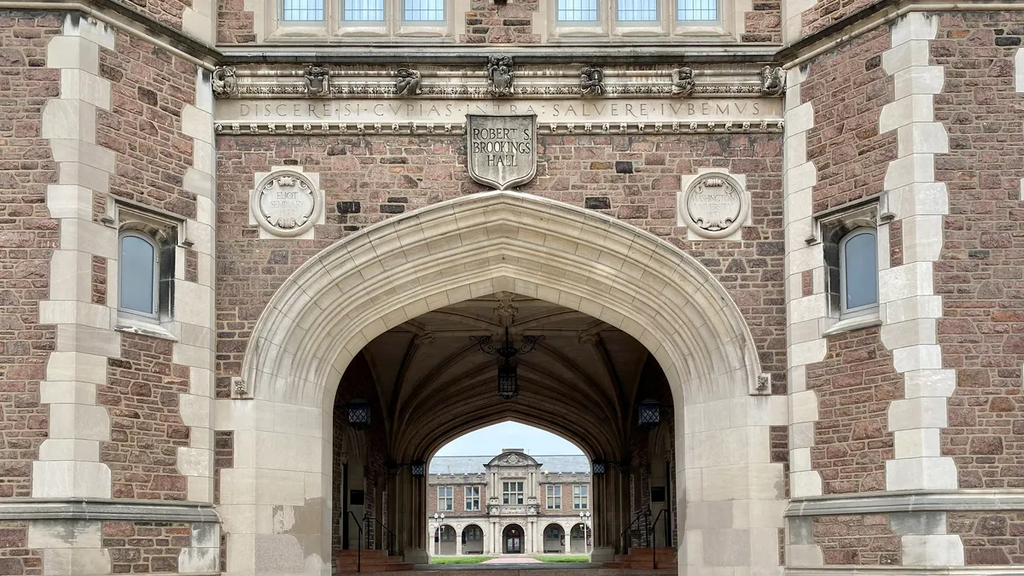
Washington University in St. Louis saw its endowment grow 37.3% in fiscal 2026, one of the largest gains reported so far. Harvard’s endowment gained $11 billion in value. Strong investment returns lifted several other wealthy schools too, giving them extra money for their budgets.
Columbia University reported an 18.3% gain, bringing its endowment to $17.9 billion. That trails some of its Ivy League peers but is still a strong year. Higher tuition revenue also helped Columbia more than double its operating surplus to $259.2 million, even as federal research funding fell.
Iowa Beats Projections, Oregon Weighs Cuts
Iowa’s three public universities brought in a combined $9.5 billion in fiscal 2026, up 1.4% from the year before. A report to their governing board still warned of enrollment pressure and other financial challenges ahead.
The University of Oregon is in a harder position. Facing a $65 million structural deficit, it is considering a plan to eliminate more than 100 staff positions, about two-thirds of which are currently filled. The proposal would also cut nearly 20 academic programs and merge some departments.